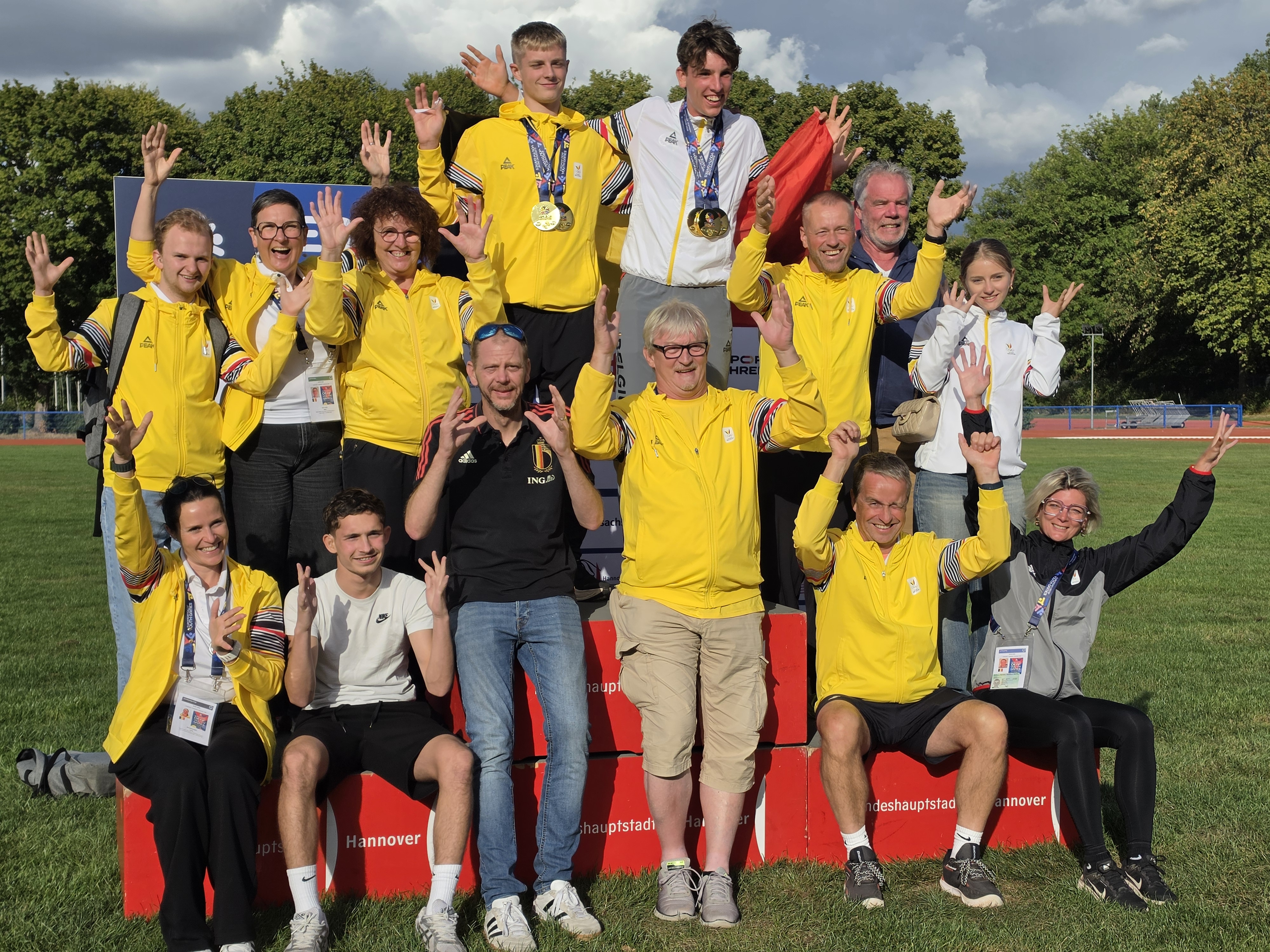
The first European Youth Games in Hanover, Germany, proved to be an unforgettable success for the Belgian team! With very limited resources compared to most other European countries, our 13 Belgian athletes achieved a level of performance that we could only have dreamed of beforehand.
Jan Van den Braembussche – head of delegation & chairman of the BDC:
“Even in the 29 years that I have been working tirelessly for Belgian Deaf Sport, we have never returned home with such a record of achievements; only the gold-medal-winning swimming team of the 1990s could more or less match these performances. After all, the five GOLD medals we won placed us in the TOP 6 of the European medal table at these European Games!”
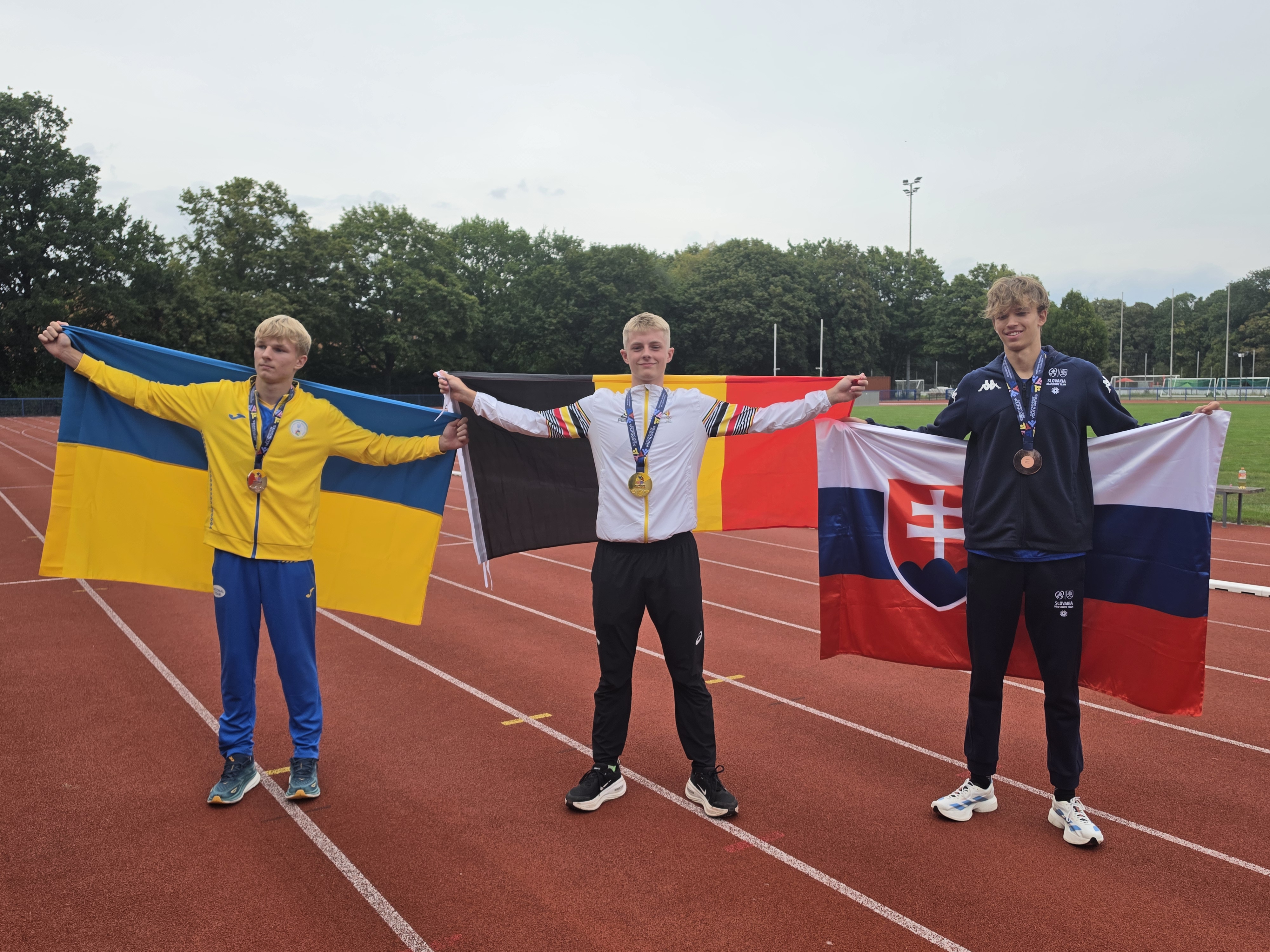
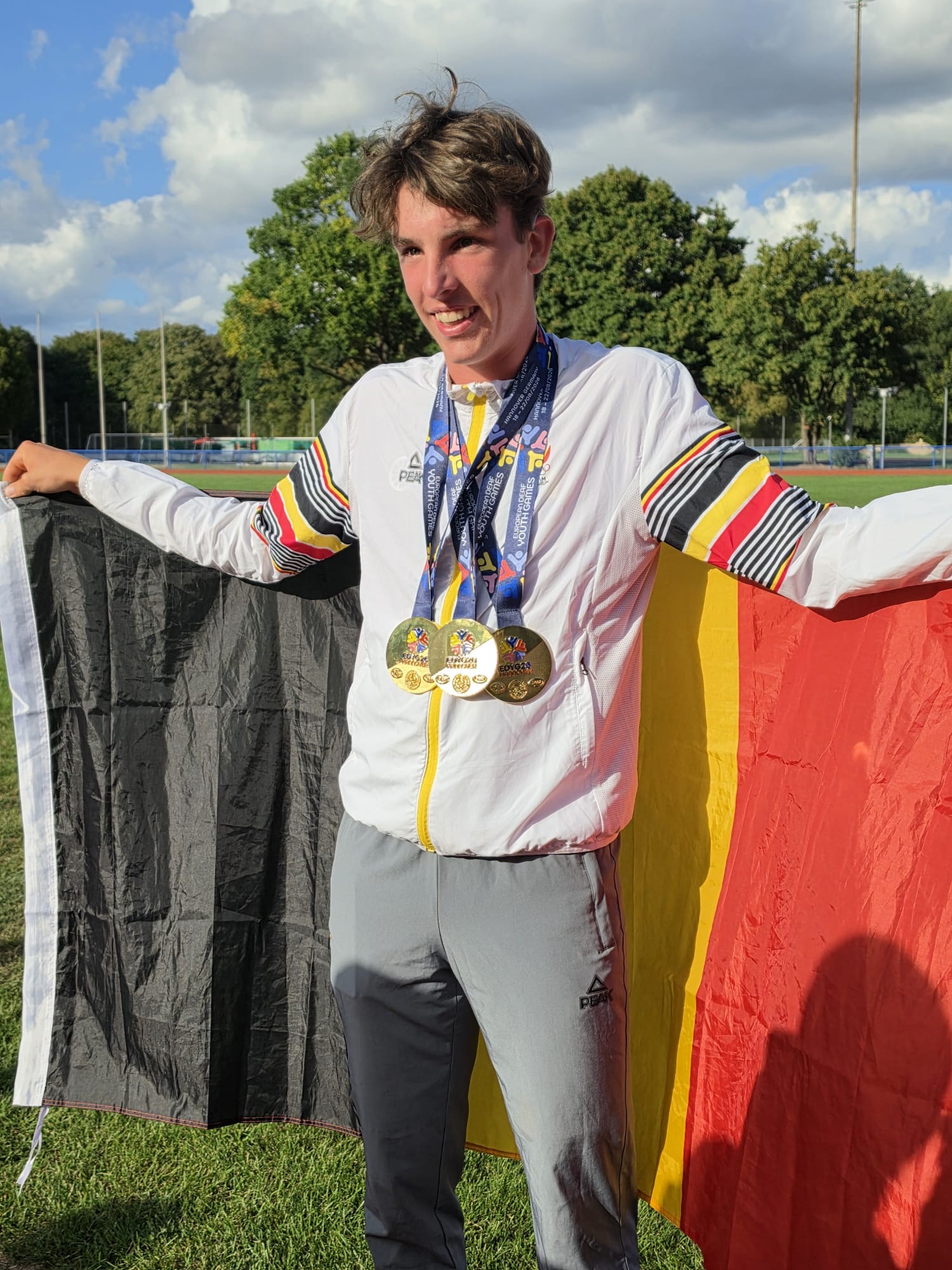
EMIEL SCHIPPERS confirmed his status as a top favourite here following his 5th-place finish at the Deaflympics, but three golds – and all in three finals on the very same day? Who’s likely to match that any time soon! Following the 2024 European Championships, the 2025 Deaflympics and a few smaller tournaments, coach Luc Clauwers and Roel Schippers certainly know what they’re doing. We also saw that there was a great deal of respect from abroad for Emiel and Luc, who are already enjoying a certain level of recognition within the Deaf tennis world.
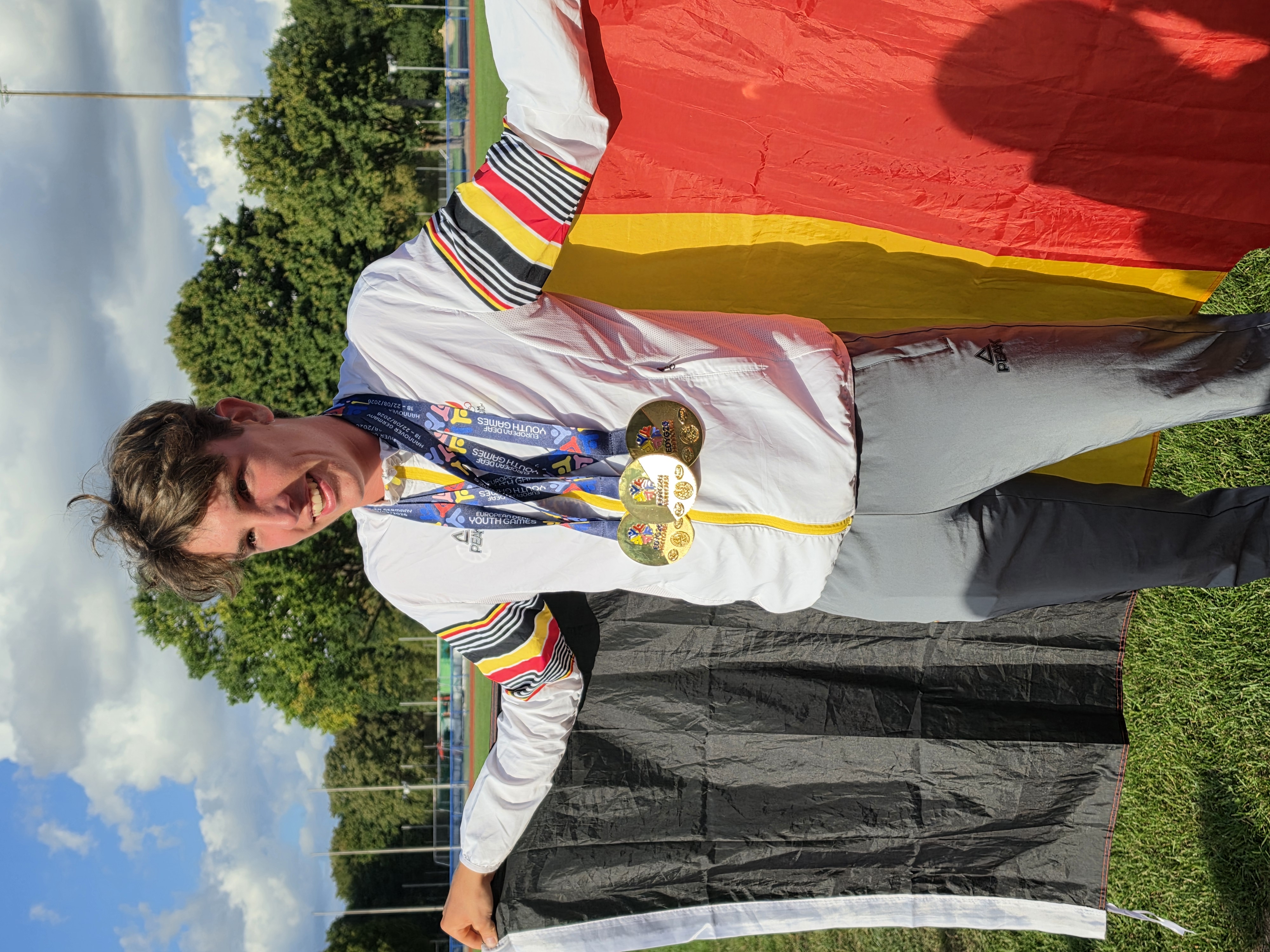
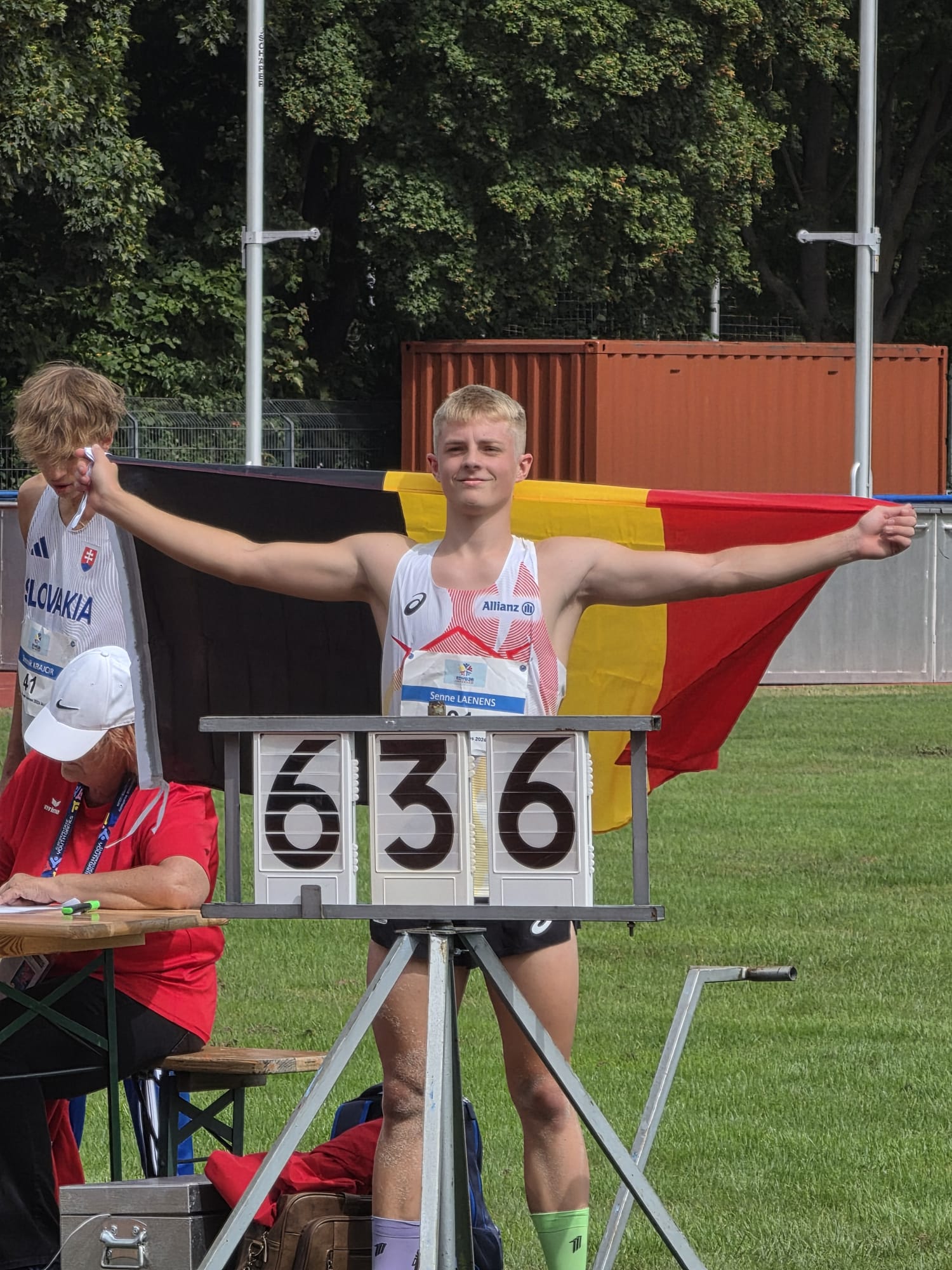
And what can we say about the newcomer to our athletics circles, SENNE LAENENS? He, too, was a podium contender, but in athletics’ flagship event, the 100 metres, he won so convincingly that everyone in Hanover was asking where this Belgian had suddenly come from… He confirmed this shortly afterwards with a second gold medal in the long jump, thanks to a fantastic first jump!
It became clear that he was therefore the hot favourite to win a third gold in the 200 metres, but a hamstring injury meant, much to his disappointment, that he was unable to take part. Both coach Koen, assisted here by SD Marina Demunter, were rightly proud of Senne!
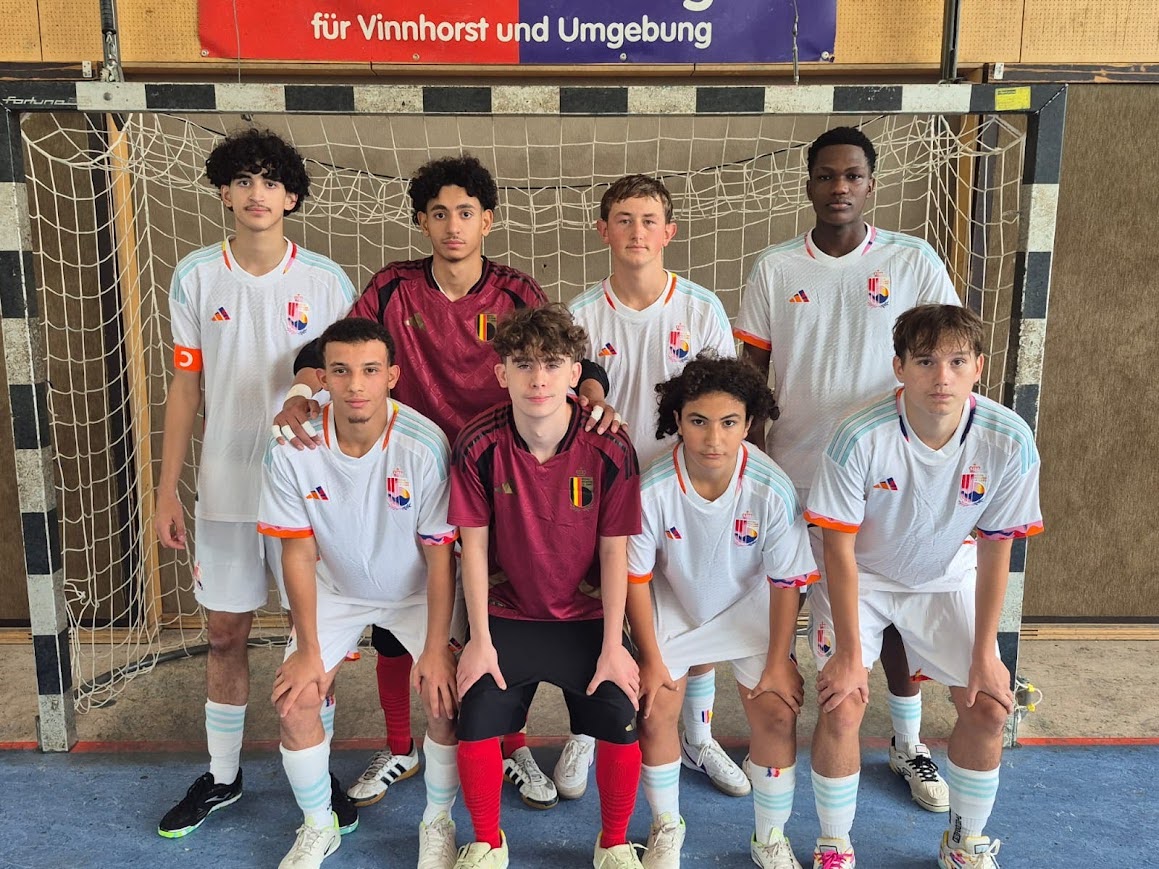
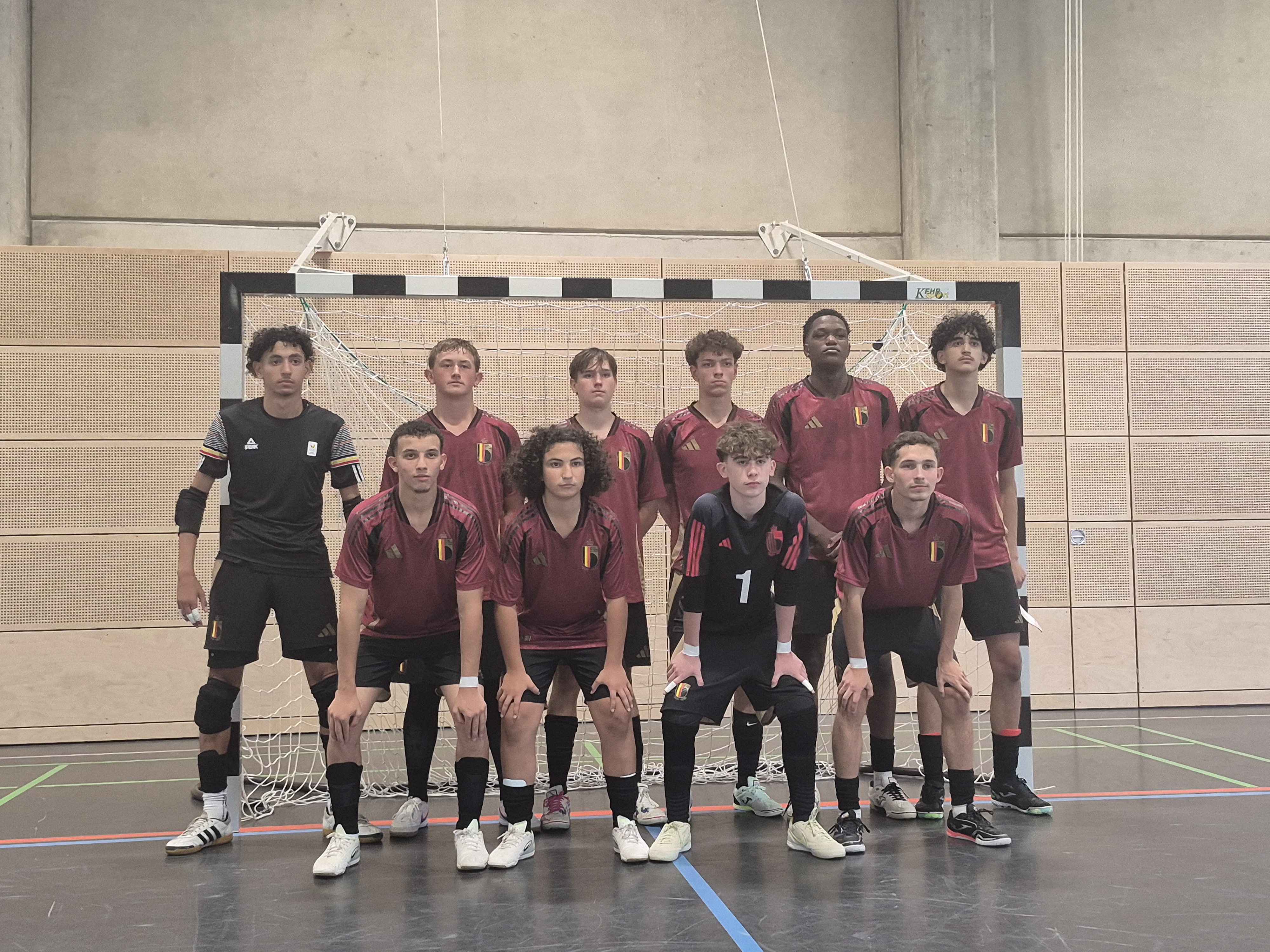
What’s more, our very young FUTSAL BELGIUM TEAM U19, with a limited squad of just 10 players compared to other countries with far larger squads, and with an average age of 16.2 years, put in a fantastic performance against teams made up predominantly of much older players! They came very close to reaching the semi-finals!
There, too, we could clearly see that the training provided by the Belgian Football Association was a huge asset for David Van Assche as a coach! Together with Bart Naudts as technical director, they did a fantastic job of managing their team, even though it was incredibly tough for them with the daily scheduling, transport, washing the team kit every day, as well as acting as team physios, and so on… Hats off to these two top blokes, Bart & David!
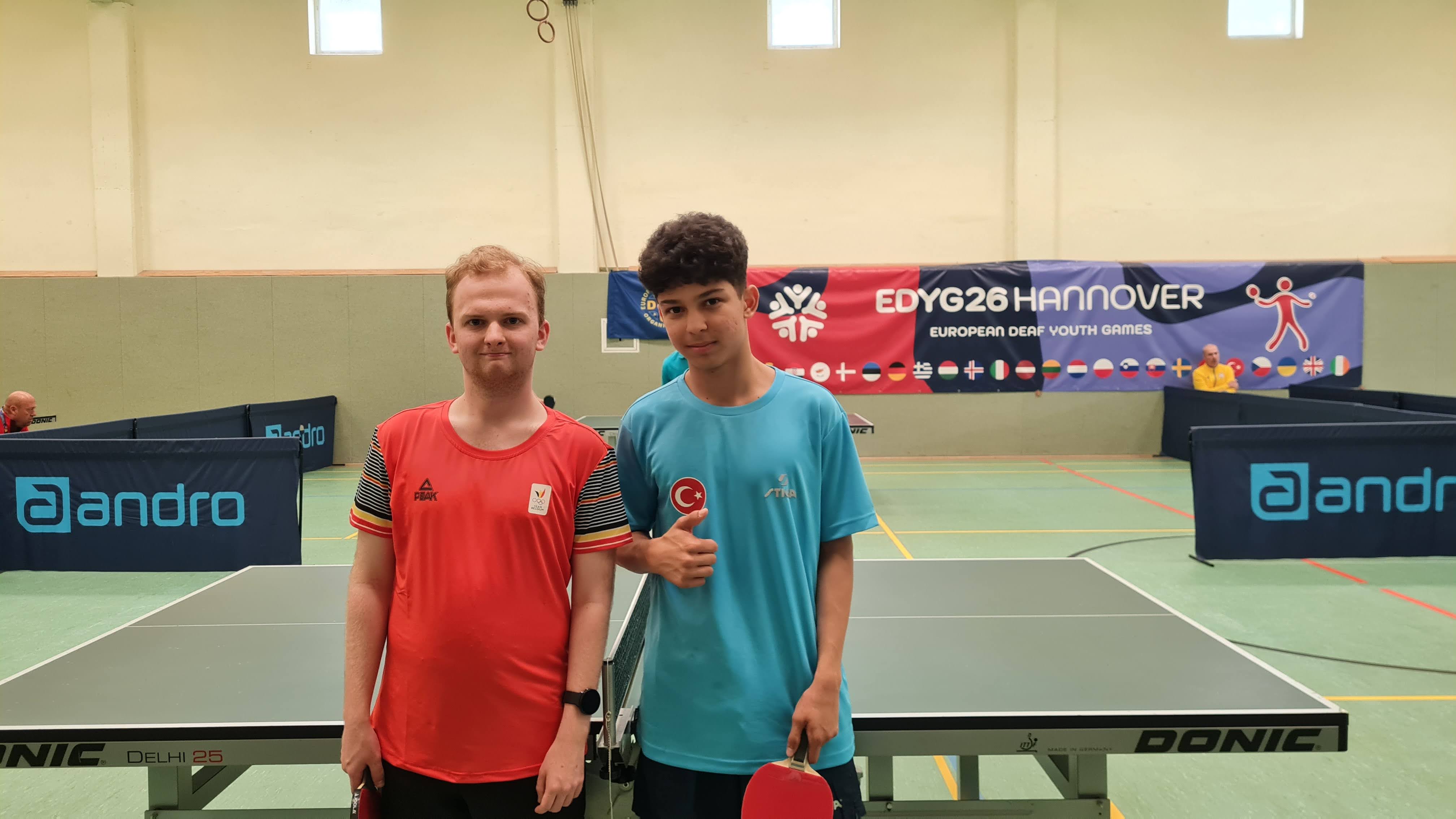
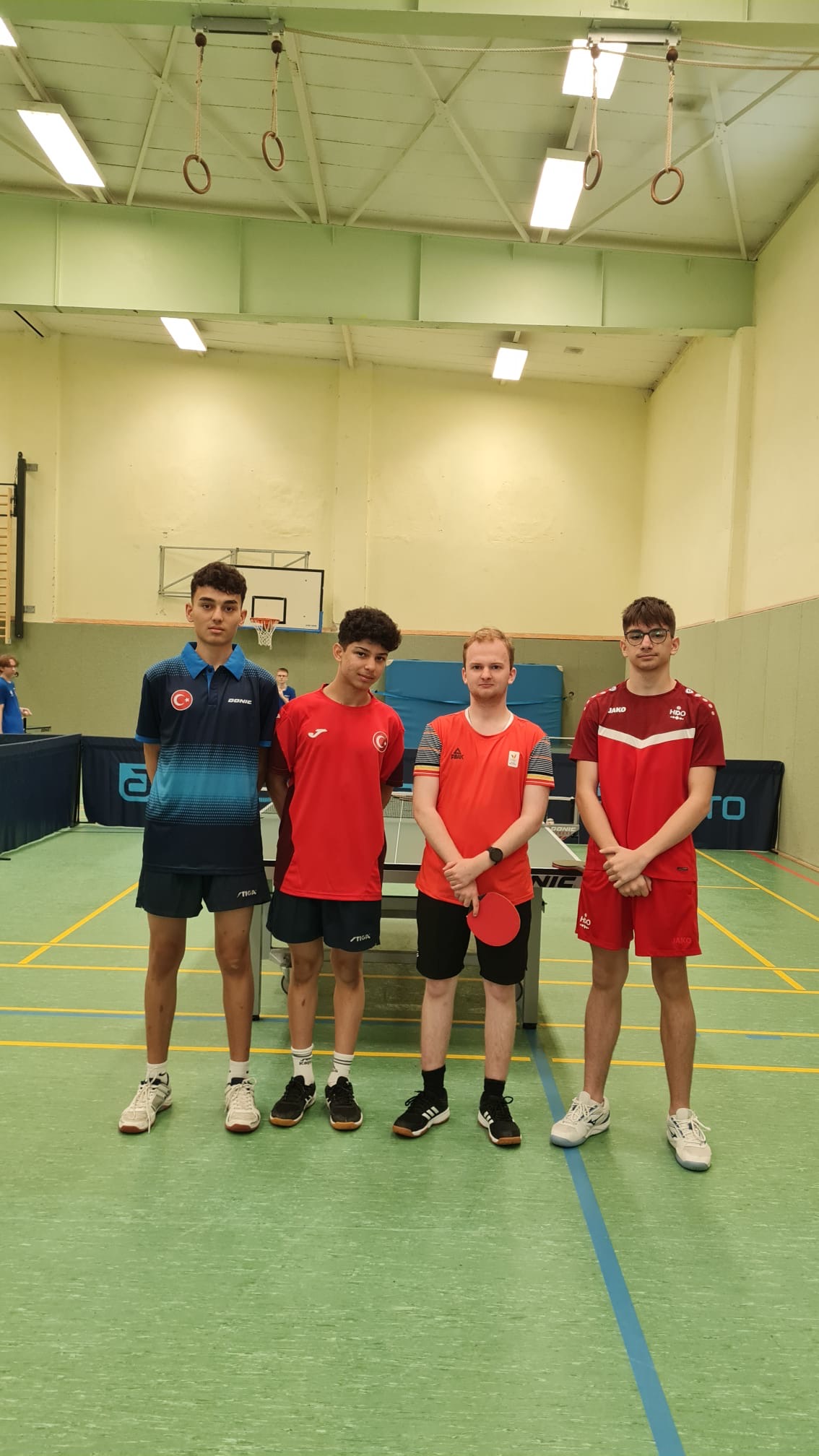
Finally, our table tennis player TJENNE DE MEESTER – who has only been playing for just over a year himself – has realised that more needs to be done to compete with the European elite. On a positive note, we saw him improve during the tournament, which bodes well for the future if he puts in the work – something his mum and coach, Nele Willems, also realises. He certainly has the talent for it!
But what was particularly positive was that, throughout that week, the entire delegation forged a strong bond between sign language users and those who were being introduced to sign language for the first time. We noticed that some people showed a great deal of interest in learning the language during those days, and that some even picked up a few signs quite easily in just those few days. We were ONE TEAM! In light of all this, the contribution of VGT interpreter Lieve Roodhooft was therefore of the utmost importance! The experience Lieve gained in Taipei (World Marathon Championships) and at the Deaflympics was also a major asset in supporting this team.
The major drawback is that we received insufficient support: financially, only €100 per athlete from Dovensport Vlaanderen for the Flemish athletes, and financial support from Suje asbl for the futsal team. G-Sport Vlaanderen provided the futsal team with a minibus, and the costs of the interpreter were covered from the ‘Tolkuren’ budget via the G-Sport Vlaanderen federation. The remainder of the budget was covered entirely by the athletes (or their parents) themselves or from their own financial reserves (e.g. for hotel accommodation in the case of tennis).